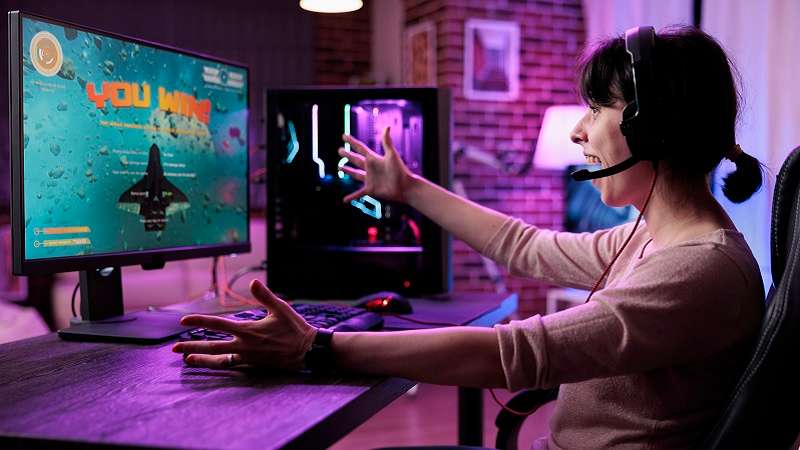
Introduction: Gaming as a Transformative Digital Experience
Gaming has evolved from a simple hobby to a transformative part of the digital world. Technology and digital media have redefined the way players interact, compete, and engage with Gaming Innovations. Today, gaming is not just about entertainment—it’s a global digital culture influencing social interaction, career opportunities, and creative expression.
With advances in hardware, software, and online platforms, Gaming Innovations now spans multiple devices and communities, providing players with seamless, immersive, and interactive experiences. This article explores how gaming, powered by technology and digital media, continues to shape the online world.
The Technological Backbone of Modern Gaming
Modern games rely on cutting-edge technology to deliver realistic and responsive experiences. High-performance GPUs, advanced processors, and robust game engines allow developers to create intricate game worlds with detailed visuals and dynamic physics.
Cloud computing has further transformed gaming by enabling cross-device play without requiring expensive hardware. These technological advancements ensure that gameplay is smooth, immersive, and visually appealing.
Technology forms the foundation of modern Gaming Innovations , supporting both innovation and creative expression.
Online Multiplayer Games: Building Global Communities
Multiplayer online games have created a new era of digital interaction. Players from across the world can collaborate, compete, and socialize within the same virtual space.
Voice and text communication tools allow teams to coordinate strategies and form lasting friendships. Communities often expand beyond games into forums, social media, and fan pages, creating a global network of gamers.
Multiplayer gaming has become a social platform, connecting players and fostering collaboration in ways previously unimaginable.
Streaming Platforms and Digital Media Influence
Streaming platforms have transformed the way gaming is experienced and shared. Gamers broadcast live gameplay, tutorials, and reviews to audiences around the world.
Interactive features such as live chat, polls, and donations create engagement between content creators and viewers. Digital media amplifies these interactions, turning gaming into a participatory online culture.
Platforms like crypticstreet show how gaming media plays a central role in shaping trends, discussions, and digital communities. Streaming has become as important as gameplay itself in modern digital culture.
Mobile Gaming: Gaming Anywhere, Anytime
Mobile gaming has expanded access to digital entertainment. Smartphones allow players to engage with games anytime and anywhere, without the need for expensive consoles or PCs.
Mobile games are designed for intuitive controls, short sessions, and social engagement. Features like in-app events, leaderboards, and multiplayer integration keep players invested.
The rise of mobile gaming demonstrates how technology has integrated gaming into daily life for millions of people worldwide.
Esports: Competitive Gaming and Professional Opportunities
Esports represents the professionalization of gaming. Tournaments are broadcast globally, attracting millions of viewers and significant sponsorship deals.
Advanced technology supports low-latency gameplay, live broadcasting, and performance analytics for competitive matches. Digital media promotes players and teams, turning them into recognizable brands.
Esports proves that gaming is not just entertainment—it can be a legitimate career and a professional global industry.
Virtual Reality and Immersive Experiences
Virtual reality (VR) and augmented reality (AR) have brought unprecedented immersion to gaming. Players can experience realistic, interactive worlds or overlay digital elements onto the real environment.
VR headsets, motion tracking, and spatial audio enhance sensory engagement. AR games blend digital gameplay with physical surroundings.
Immersive gaming demonstrates how technology continues to push the boundaries of digital media and entertainment, providing novel experiences to players worldwide.
Game Development in the Digital Age
Game development now relies on sophisticated tools for animation, modeling, sound design, and AI integration. Collaboration platforms allow teams to work remotely, streamlining development processes.
Independent developers can publish games directly online, expanding diversity and creativity. These digital tools enable the creation of rich, engaging worlds that captivate players across the globe.
Technology empowers developers to push creative boundaries, resulting in games that are both innovative and widely accessible.
Monetization in the Gaming Industry
Gaming generates revenue through multiple channels, including digital purchases, subscriptions, microtransactions, and advertising.
Content creators also earn income through streaming, sponsorships, and community engagement. Platforms like pedrovazpaulo show how establishing a professional digital presence can support income opportunities within the gaming industry.
The gaming economy demonstrates how technology and media converge to create financial and career opportunities.
Artificial Intelligence: Smarter Gameplay
Artificial intelligence (AI) is increasingly used to enhance player experiences. AI controls NPC behavior, adapts difficulty levels, and personalizes challenges.
AI also provides insights into player behavior, helping developers refine game design and mechanics. Adaptive AI ensures that gameplay remains challenging, engaging, and rewarding for both casual and competitive players.
Intelligent systems are central to modern gaming, demonstrating how technology can create dynamic and immersive experiences.
Cybersecurity and Player Protection
As gaming becomes more connected, security and privacy are crucial. Protecting player data, preventing cheating, and moderating communities are essential for maintaining trust.
Developers implement encryption, anti-cheat tools, and moderation systems to safeguard players. Ethical and responsible game design encourages fair play and safe digital environments.
Strong security measures ensure that gaming continues to thrive in a responsible and sustainable manner.
Challenges Facing the Gaming Industry
Despite its growth, online gaming faces challenges such as addiction, online harassment, and unequal access to technology.
Developers and platforms must balance engagement with responsibility. Parental controls, ethical design practices, and community moderation are key strategies to mitigate risks.
Addressing these challenges ensures gaming remains inclusive, safe, and enjoyable for players of all ages.
Future Trends: Cloud Gaming and Beyond
The future of gaming includes cloud gaming, AI-driven experiences, and fully immersive VR worlds. Cross-platform play will allow players to connect seamlessly across consoles, PCs, and mobile devices.
Gaming will continue to influence education, social interaction, and digital culture. Emerging technologies promise deeper immersion, smarter AI, and more interactive gaming experiences.
Technology ensures that gaming will remain a central part of digital innovation in the years to come.
Conclusion: Gaming as a Digital Revolution
Gaming Innovations is no longer just entertainment—it is a transformative digital force. It combines creativity, technology, and community to shape online culture and digital interaction.
Through multiplayer experiences, immersive worlds, streaming platforms, and professional esports, gaming has become an integral part of the digital era. As technology advances, gaming will continue to redefine how people connect, play, and experience entertainment in the online world.